
Tooth Extractions in Tampa, FL
When a tooth cannot be predictably restored—or when removing it is necessary for your overall treatment plan—a carefully planned extraction can relieve discomfort, control infection, and protect the surrounding mouth.
At Flex Dental, Dr. Benjamin J. Gubernick evaluates the tooth, roots, surrounding bone, gum support, medical history, and replacement needs before recommending removal.
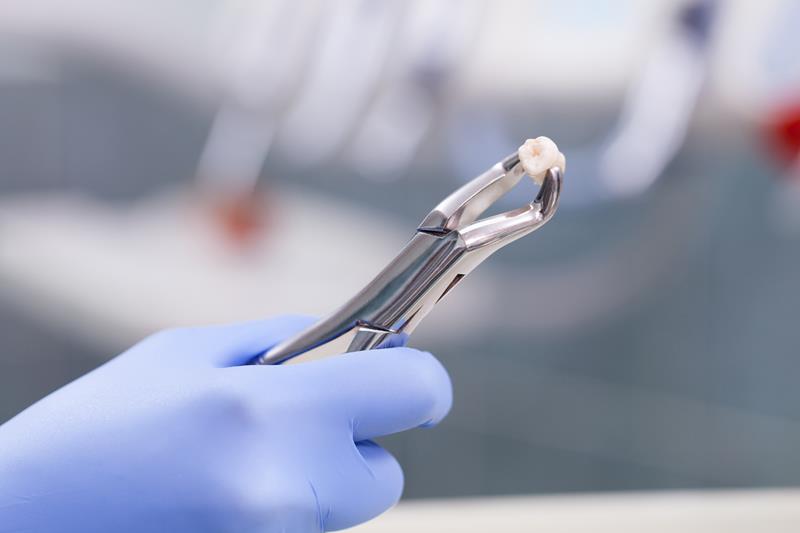
The controlled removal of a tooth from its supporting socket.
A tooth extraction removes the visible tooth and its roots from the jaw. The technique depends on whether the tooth is fully visible, broken, impacted, difficult to access, or surrounded by anatomy requiring additional planning.
Removal does not automatically mean the same procedure for every patient. The tooth’s shape, root position, bone, infection, medical history, and future replacement plan all influence care.
Tooth crown
The visible part of the tooth may be intact, broken, heavily restored, or damaged below the gumline.
Tooth roots
The number, shape, curvature, length, and position of the roots affect extraction planning.
Supporting socket
Bone and periodontal tissues surround the roots and begin healing after the tooth is removed.
Protective blood clot
A clot forms in the socket after extraction and protects the underlying bone during early healing.
Extraction is recommended when removal provides the more predictable path.
Non-restorable decay
Decay extending too far below the gumline or leaving inadequate healthy tooth structure may prevent a dependable restoration.
Severe fracture
A crack or fracture extending deeply into the root may make the tooth impossible to restore predictably.
Dental infection
Removal may be considered when infection cannot be predictably managed with root canal and restorative treatment.
Advanced periodontal damage
Significant loss of gum attachment and supporting bone may leave a tooth too mobile or poorly supported.
Impacted or trapped tooth
A tooth that cannot erupt normally may cause infection, pressure, decay, gum problems, or damage to a neighboring tooth.
Orthodontic planning
Selected teeth may be removed when additional space is required as part of a coordinated orthodontic treatment plan.
Retained root fragment
A broken root or remaining tooth fragment may require removal when it causes infection, pain, or restorative difficulty.
Failed previous treatment
A tooth with recurring infection, structural failure, or an unfavorable prognosis may no longer be maintainable.
Treatment preparation
Removal may occasionally be required before dentures, implants, or another comprehensive restorative plan can proceed.
Preserving a restorable natural tooth is considered before extraction.
The correct recommendation depends on remaining tooth structure, root condition, gum and bone support, infection, bite forces, treatment complexity, cost, prognosis, and your goals.
Restore the natural tooth
Depending on the diagnosis, treatment may preserve the tooth when enough healthy structure and periodontal support remain.
- Dental filling for repairable decay or damage
- Crown for a weakened but restorable tooth
- Root canal treatment for appropriate pulp infection
- Periodontal treatment when support can be stabilized
- Repair or replacement of a failing restoration
- Specialist consultation for complex preservation options
Extract the tooth
Extraction may be recommended when disease or damage leaves the tooth unable to support a dependable restoration or when removal is required for another treatment plan.
- Fracture extends into an unfavorable root location
- Too little sound tooth remains for restoration
- Severe periodontal support has been lost
- Infection cannot be predictably resolved
- The tooth is impacted or damaging nearby structures
- Removal is part of coordinated orthodontic planning
The approach depends on how accessible the tooth and roots are.
Dental images and clinical examination help determine whether a tooth can be removed with a straightforward technique or requires surgical access, sectioning, bone removal, or specialist care.
Simple Extraction
A simple extraction is generally performed when the tooth is visible above the gumline and can be accessed with standard extraction instruments.
- Tooth is sufficiently erupted and accessible
- Local anesthesia is used to numb the treatment area
- The tooth is gently loosened from supporting tissues
- Dental instruments are used to deliver the tooth
- The socket is inspected and cleaned as appropriate
- Gauze is placed to support clot formation
Surgical Extraction
A surgical extraction may be needed when a tooth is broken, impacted, below the gumline, difficult to access, or associated with complex root or bone anatomy.
- A controlled opening in the gum may be required
- A small amount of surrounding bone may be adjusted
- The tooth may be divided into sections for removal
- The site may require sutures after treatment
- Recovery instructions may be more extensive
- Complex anatomy may require an oral-surgery referral
Planning begins with your tooth, health history, and future needs.
Extractions are not planned from an image alone. The clinical condition, surrounding tissues, medical history, medications, and ability to heal must all be considered.
Tell Flex Dental about every prescription, supplement, allergy, medical condition, and previous reaction to dental treatment.
Discuss symptoms and history
Explain when symptoms started, what makes them worse, whether swelling or drainage is present, and what treatment the tooth previously received.
Examine the tooth and gums
Dr. Gubernick evaluates decay, fractures, mobility, swelling, gum support, infection, tooth position, and restorative possibilities.
Review dental images
X-rays may reveal the number and shape of roots, surrounding bone, decay, infection, nearby teeth, sinuses, or other anatomical considerations.
Assess medical and medication risks
Bleeding conditions, blood-thinning medication, diabetes, immune conditions, bone medications, allergies, pregnancy, and other factors may affect planning.
Review anesthesia and comfort
Local anesthesia and appropriate anxiety-management options are discussed according to the procedure and individual safety screening.
Plan the tooth space
When replacement may be needed, timing, healing, bone preservation, implant candidacy, or other restorative options can be discussed before removal.
Follow the instructions created for your procedure.
Eating, drinking, transportation, and medication instructions depend on the planned anesthesia, sedation, procedure complexity, and your medical history.
Do not stop prescription medication, begin antibiotics, or create your own fasting schedule without instructions from the appropriate healthcare professional.
Numb the area, remove the tooth, and support clot formation.
The exact sequence depends on whether the extraction is simple or surgical. Dr. Gubernick will explain the planned approach and provide instructions based on your specific procedure.
Confirm the treatment plan
The tooth, procedure, health information, consent, anesthesia, risks, alternatives, and aftercare plan are reviewed.
Numb the treatment area
Local anesthesia is administered to numb the tooth, gum, and surrounding tissues. Pressure may still be felt even when sharp pain is controlled.
Access and loosen the tooth
The supporting ligament is released and the tooth is loosened. Surgical access or tooth sectioning may be used when required.
Remove the tooth or tooth sections
The tooth is carefully delivered from the socket. The site is inspected for remaining fragments and surrounding concerns.
Clean and manage the socket
The socket may be gently cleaned. Depending on the treatment plan, sutures or additional site management may be used.
Place gauze and review aftercare
Gauze is positioned to help control bleeding and support clot formation. Written recovery instructions are reviewed before you leave.
Pain control and anxiety control are planned separately.
Local anesthesia numbs the extraction area. Patients who feel anxious should discuss comfort options before the treatment date so appropriate screening and transportation can be arranged.
Local Anesthesia
Local anesthesia numbs the tooth and surrounding tissues. You may feel pressure or movement during removal, but tell the team immediately if you feel sharp pain.
Anxiety Management
Clear explanations, communication signals, pacing, and appropriate breaks may help patients who feel nervous about the procedure.
Sedation Consultation
Sedation is not automatically included with an extraction. It requires advance medical screening, individualized instructions, and transportation planning.
Ask Flex Dental whether a separate sedation consultation is appropriate.
The early blood clot is an important part of healing.
After a tooth is removed, a blood clot forms inside the socket. The clot covers the underlying bone and helps create the environment needed for new healing tissue to develop.
Follow Flex Dental’s instructions about gauze, rinsing, eating, activity, medication, and cleaning the area. Instructions may vary according to the extraction and your health.
Healing occurs in stages rather than all at once.
Recovery varies with the tooth, procedure, infection, surgical complexity, medical history, smoking, medications, and how closely post-operative instructions are followed.
Some soreness and swelling may be expected, but symptoms should generally trend toward improvement.
Immediately after treatment
Bite on gauze as instructed. Keep your head elevated, rest, and avoid chewing until the numbness has worn off.
A small amount of blood mixed with saliva can appear more dramatic than it is, but persistent active bleeding should be reported.
The first day
Protect the blood clot. Avoid smoking, vaping, straws, vigorous rinsing, forceful spitting, hard food, and strenuous activity.
Early healing
Follow instructions for cold packs, medication, brushing, gentle rinsing, food progression, and cleaning near the site.
Begin salt-water or other rinsing only when and how Flex Dental directs you.
Return to normal foods gradually
Add firmer foods as comfort and healing allow. Avoid sharp, crunchy, seeded, or hard foods near the socket until cleared.
Attend follow-up care
A follow-up may be recommended for surgical sites, sutures, infection, delayed healing, bone preservation, or replacement planning.
Increasing pain after extraction should be reported.
Dry socket can occur when the protective blood clot is lost, displaced, or does not adequately cover the socket, leaving underlying bone and nerves exposed.
It is treatable, but it requires professional evaluation. Do not place medication, chemicals, or household remedies directly into the socket unless instructed by a dentist.
Some symptoms require more than routine home care.
Your written instructions will explain what is expected. Call the office when symptoms feel severe, unexpected, prolonged, or worse than the recovery guidance you received.
Persistent active bleeding
Contact the office if active bleeding does not respond to the gauze and pressure instructions provided.
Worsening swelling
Increasing facial or jaw swelling, especially with fever or illness, requires prompt professional assessment.
Severe increasing pain
Pain that becomes more intense rather than gradually improving may indicate dry socket, infection, or another complication.
Fever or drainage
Fever, pus, a foul taste, spreading redness, or increasing tenderness may indicate infection.
Ongoing numbness
Report numbness, altered sensation, or tingling that persists beyond the timeframe discussed by the dental team.
Breathing or swallowing difficulty
Severe breathing difficulty, swallowing difficulty, confusion, collapse, or rapidly spreading swelling may require emergency medical care.
Replacement planning can begin before the tooth is removed.
Not every extracted tooth requires replacement. Wisdom teeth and selected orthodontic extractions may not need a replacement. Functional teeth often do, because an open space can affect chewing, appearance, tooth movement, and bite stability.
Dental Implant
An implant-supported tooth replaces the missing root and crown. Candidacy depends on healing, bone, anatomy, health, and treatment timing.
Explore dental implants →Dental Bridge
A fixed bridge uses neighboring teeth or implants to support a replacement tooth across the open space.
Removable Tooth
A removable partial denture may replace one or several missing teeth and can be removed for cleaning.
Monitor the Space
In selected situations, replacement may not be required. Dr. Gubernick will explain the effects of leaving the space open.
Tooth extraction evaluations in Tampa.
Contact Flex Dental for a broken tooth, severe decay, swelling, biting pain, a loose tooth, suspected infection, or an extraction recommendation you would like Dr. Gubernick to evaluate.
310 South Dale Mabry Highway, Suite 120
Tampa, FL 33609
(813) 999-1092
Tell the team if you have facial swelling, fever, trauma, heavy bleeding, or difficulty eating or sleeping.
Questions before or after having a tooth removed?
These answers provide general education. Follow the personalized instructions Flex Dental provides for your health and procedure.
What is a tooth extraction?
A tooth extraction is the controlled removal of a tooth and its roots from the supporting socket in the jaw.
Why might a tooth need to be extracted?
Common reasons include non-restorable decay, severe fracture, advanced periodontal damage, infection that cannot be predictably treated, an impacted tooth, or coordinated orthodontic planning.
Can my tooth be saved instead?
Some teeth can be preserved with a filling, crown, root canal, periodontal treatment, or specialist care. The correct option depends on remaining structure, root condition, bone support, infection, bite, and prognosis.
What is the difference between a simple and surgical extraction?
A simple extraction generally removes a fully accessible tooth with standard instruments. A surgical extraction may require gum access, tooth sectioning, bone adjustment, or sutures.
Does a tooth extraction hurt?
Local anesthesia is used to numb the treatment area. Pressure and movement may be felt, but sharp pain should be reported immediately so comfort can be reassessed.
Can I be sedated for a tooth extraction?
Sedation may be considered for selected patients, but it requires advance medical screening, personalized instructions, and transportation planning. It is not automatically included with every extraction.
How long does a tooth extraction take?
Treatment time depends on the tooth’s position, roots, infection, accessibility, surrounding bone, procedure type, and whether more than one tooth is being removed.
What should I eat after an extraction?
Begin with soft foods that require little chewing. Avoid hot, hard, crunchy, sharp, spicy, seeded, or crumbly foods near the extraction site until healing allows.
Why should I avoid drinking through a straw?
Suction may disturb or dislodge the protective blood clot forming in the socket. Follow the exact restriction period in your post-operative instructions.
When can I rinse my mouth?
Do not rinse vigorously during early clot formation. Begin gentle salt-water or other rinsing only according to the timing and technique provided by Flex Dental.
Can I brush my teeth after an extraction?
Continue cleaning the rest of your mouth carefully, but avoid direct trauma to the extraction socket. Follow the specific brushing instructions provided after treatment.
When can I exercise after a tooth extraction?
Strenuous activity can increase bleeding and throbbing during early healing. Resume exercise according to your procedure, symptoms, and the instructions provided by the dental team.
How much bleeding is normal?
Mild oozing and blood-tinged saliva can occur after an extraction. Contact Flex Dental if active bleeding does not respond to the gauze and pressure instructions provided.
What is dry socket?
Dry socket occurs when the protective blood clot is lost, displaced, or fails to cover the socket adequately, exposing underlying bone and nerves and causing significant pain.
What are signs of dry socket?
Possible signs include severe pain that increases several days after extraction, pain radiating toward the ear or jaw, an apparently empty socket, and an unpleasant taste or odor.
Can I smoke or vape after an extraction?
Smoking, vaping, nicotine, heat, and suction can interfere with clot stability and healing. Avoid them and follow the restriction period provided by the dental office.
Will I need antibiotics?
Antibiotics are not automatically required for every extraction. They may be prescribed when the diagnosis, infection, medical history, or procedure indicates a need.
Do stitches need to be removed?
Some sutures dissolve on their own, while others require removal. Flex Dental will explain which type was used and whether a follow-up appointment is necessary.
Do I need to replace the extracted tooth?
Many functional teeth should be replaced to restore chewing, appearance, and bite stability. Wisdom teeth and selected orthodontic extractions may not require replacement.
What replacement options are available?
Options may include a dental implant, fixed bridge, or removable partial denture. The recommendation depends on the location, bone, health, neighboring teeth, timing, and goals.
Does dental insurance cover tooth extraction?
Many plans provide some extraction coverage, but deductibles, waiting periods, procedure classifications, annual maximums, exclusions, and specialist benefits vary.
How much does a tooth extraction cost?
Cost depends on whether the procedure is simple or surgical, the tooth and roots involved, required imaging, anesthesia, infection, specialist care, grafting considerations, and follow-up needs.
When should I seek urgent help?
Call promptly for persistent active bleeding, worsening swelling, severe increasing pain, fever, pus, or an allergic reaction. Severe difficulty breathing or swallowing may require emergency medical care.
How do I schedule an extraction evaluation?
Use the Flex Dental online appointment portal or call (813) 999-1092 . Tell the team if you have severe pain, swelling, trauma, or active bleeding.
Find out whether your tooth can be restored—or should be carefully removed.
Schedule an evaluation with Dr. Benjamin J. Gubernick to review the tooth, dental images, preservation options, extraction approach, recovery, and any future replacement needs.